
 (888) 384-1210
Safe Aging at Home: How Small Changes and Right Support Can Help Seniors Stay Independent
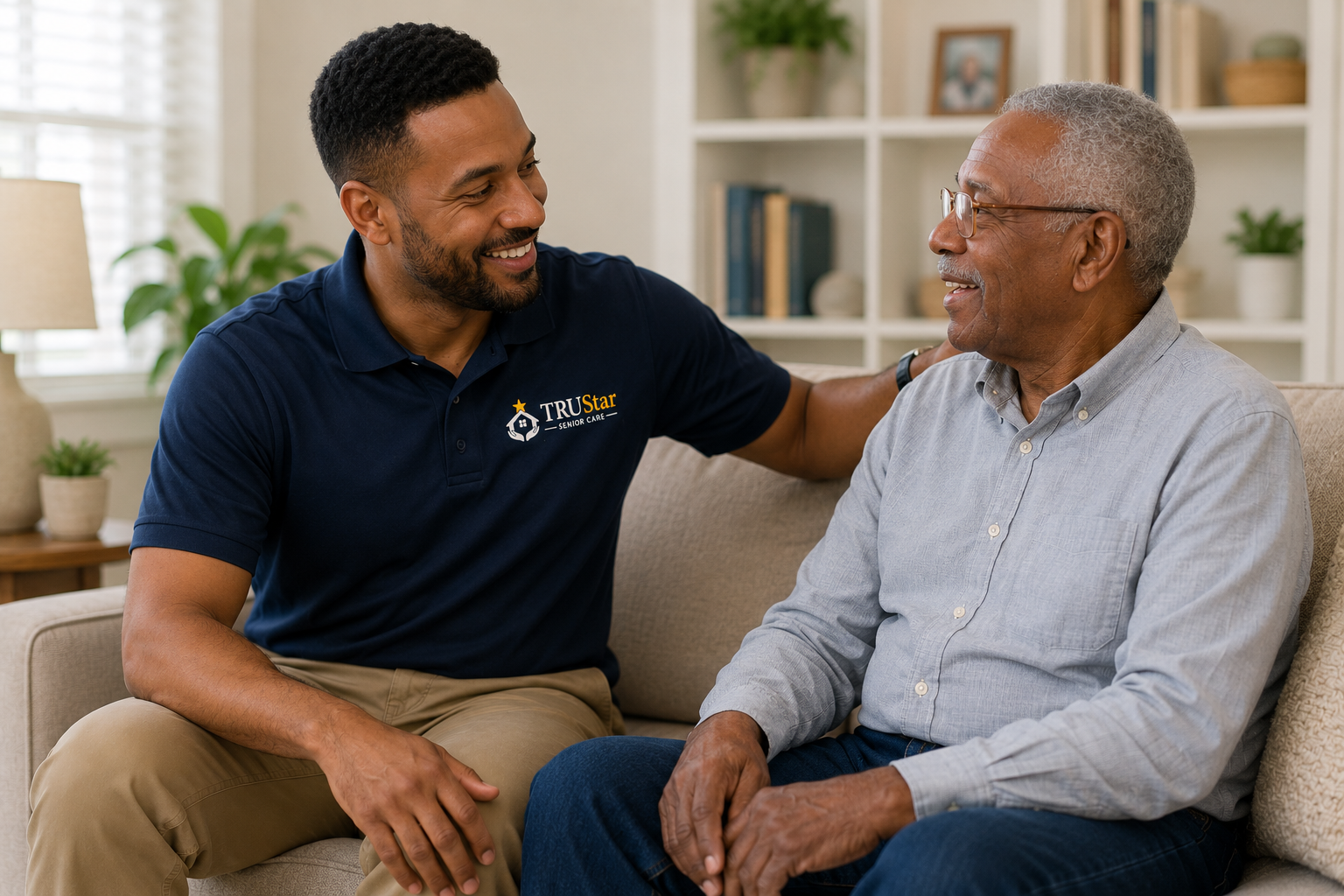
For many older adults, home is more than a place to live. It is where memories were made, routines were built, and a sense of comfort still remains.
That is why conversations about safety at home can feel emotional for families. Adult children may notice things their parents do not see as a problem yet: a loose rug in the hallway, poor lighting near the stairs, missed meals, cluttered walkways, or hesitation when walking from one room to another.
For seniors, these conversations can feel different. They may hear concern as criticism. They may worry that accepting help means losing independence. They may fear that one small change at home is the beginning of losing control over the life they have worked so hard to maintain.
But safer aging at home is not about taking independence away.
It is about protecting it.
A safer home, paired with dependable caregiver support, can help older adults continue living in familiar surroundings with more confidence, comfort, and peace of mind.
WHAT DOES "SAFER AGING AT HOME" MEAN?
Safer aging at home means creating an environment where seniors can continue their daily routines while reducing avoidable risks. It includes practical home adjustments, thoughtful observation, consistent support, and open communication with family members.
This does not always require major renovations. Sometimes, meaningful changes begin with small steps: improving lighting, removing clutter, placing frequently used items within easy reach, or making sure the senior has someone present during errands, appointments, or more challenging parts of the day.
It also means recognizing that safety is not only physical. Emotional safety matters, too. Seniors need to feel respected, heard, and included in decisions about their home and care.
When families approach safety as a way to support independence rather than limit it, the conversation often becomes easier.
WHY HOME SAFETY MATTERS AS SENIORS AGE
As people age, everyday tasks can require more energy, balance, or attention than they once did. A senior may still feel capable, but small changes in strength, vision, memory, or stamina can make familiar spaces more difficult to navigate.
A hallway that was once easy to walk through may become risky if it is poorly lit. A laundry basket may feel heavier. A trip to the grocery store may become tiring. A missed medication reminder or skipped meal may begin to affect the day more than before.
Families often notice these concerns gradually. At first, it may seem like nothing serious. Then a parent has a near fall, forgets an appointment, or begins avoiding activities they used to enjoy.
The goal of safer aging at home is to respond before a crisis happens. It helps families look at the home, the routine, and the senior's support system with compassion and practicality.
HOME MODIFICATIONS THAT CAN SUPPORT SAFETY
Home modifications can make everyday movement and routines easier for seniors. Some changes may be simple, while others may require help from a qualified professional, depending on the home and the senior's needs.
Common home safety improvements may include:
- Removing loose rugs or securing them properly
- Improving lighting in hallways, bathrooms, stairs, and entryways
- Keeping walkways clear of clutter, cords, and furniture installation
- Adding grab bars in appropriate areas with professional installation
- Using non-slip mats in bathrooms and kitchens
- Placing frequently used items at waist or shoulders height
- Making sure chairs and beds are stable and easy to get in and out of
- Keeping emergency contacts visible and easy to access
- Organizing medications, paperwork, and household essentials
- Ensuring outdoor walkways and entrances are well lit and easy to navigate
These changes may seem small, but they can make the home feel more manageable. A safer environment allows seniors to move through their day with less worry and more confidence.
Families should always consider the senior's preferences when making changes. A home should not suddenly feel unfamiliar or clinical. The best modifications support safety while preserving warmth and personality of the home.
THE ROLE OF CAREGIVER SAFETY OBSERVATION
Even when a home is modified, daily safety can still change over time. A senior's needs may shift after an illness, hospital stay, medication change, memory-related concern, or a period of reduced activity.
This is where caregiver safety observation becomes valuable.
A caregiver may notice things that family members miss between visits, such as:
- A senior becoming more hesitant while walking
- Groceries running low more often
- Meals being skipped or left unfinished
- Increased clutter in frequently used areas
- Changes in mood, energy, or routine
- Difficulty keeping up with laundry or household tasks
- More confusion around appointments or daily schedules
- A senior avoiding stairs, outing, or certain activities
- Walkways becoming blocked or harden to navigate
These observations are not medical assessments. TRU Star Senior Care provides non-medical home care, which means caregivers do not diagnose conditions, provide skilled nursing. administer medication, or perform clinical evaluations.
However, caregivers can accommodate meaningful non-medical concerns to the family or agency according to the care plan. That communication can help families make more informed decisions and respond earlier when something changes.
Sometimes, the most helpful support begins with someone simply noticing.
MOBILITY SUPPORT AND SAFER DAILY ROUTINES
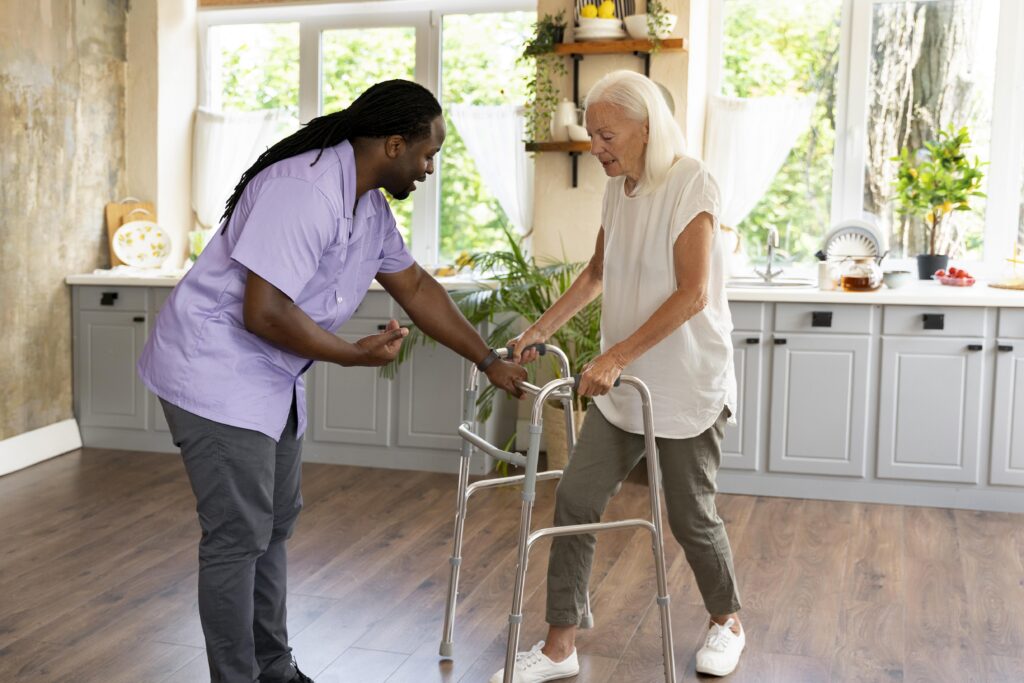
Mobility changes can be difficult for seniors to accept, especially when they still want to feel independent. A caregiver can help by encouraging safer routines, keeping common areas clear, offering reminders to use a cane or walker if already recommended, and providing companionship during walks, errands, or appointments.
This kind of support can also ease the worry families carry each day. When someone is present to help with homemaker tasks, transportation, companionship, and general wellness observation, families can feel more reassured that their loved one is not managing everything alone.
TRU Star Senior Care provides non-medical support and does not offer transfer assistance, hands-on personal care, therapy, or medical services. Still, having a dependable caregiver nearby can help seniors feel safer, less anxious, and more confident while continuing to age at home with dignity.
DAILY SUPPORT THAT HELPS KEEP SENIORS SAFER
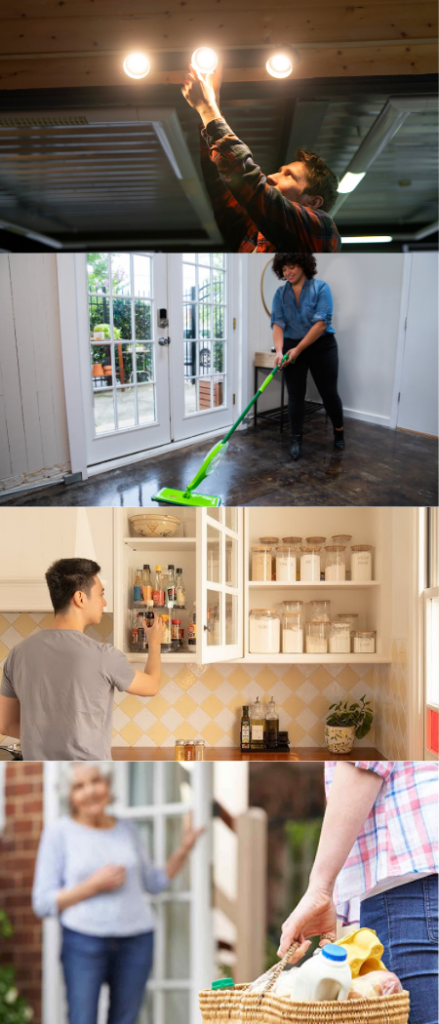
Safety at home is not only about removing hazards. It is also about making sure daily routines are supported, such as preparing meals, keeping the home organized, managing errands, attending appointments, and staying socially connected.
Homemaker services, companion care, and transportation support can all play a role in safer aging at home. When a caregiver helps with meals, light housekeeping, laundry, grocery shopping, errands, companionship, or appointment transportation, seniors may feel less overwhelmed and families can feel more reassured.
WHEN IT MAY BE TIME FOR MORE SUPPORT
There is no single moment when every family knows it is time for home care. Often, the need becomes cleared through patterns, such as skipped meals, missed appointments, growing clutter, reduced social interaction, memory changes, or a recent hospital or rehabilitation stay.
Asking for support does not mean the family has failed. It means the family is paying attention and taking steps to help their loved one remain safe, comfortable, and confident at home.
A GENTLE WAY TO START THE CONVERSATION
Talking about home safety can be difficult because seniors may feel that their independence is being questioned. A softer approach can help, such as saying, "We want to make things easier for you at home," or "Maybe we can start with a little help with meals, errands, or housekeeping."
Starting small can make care feel less overwhelming. A senior may be more open to homemaker support, transportation, or companionship before considering a larger care schedule.
HOW TRU STAR SENIOR CARE SUPPORTS SAFER AGING AT HOME
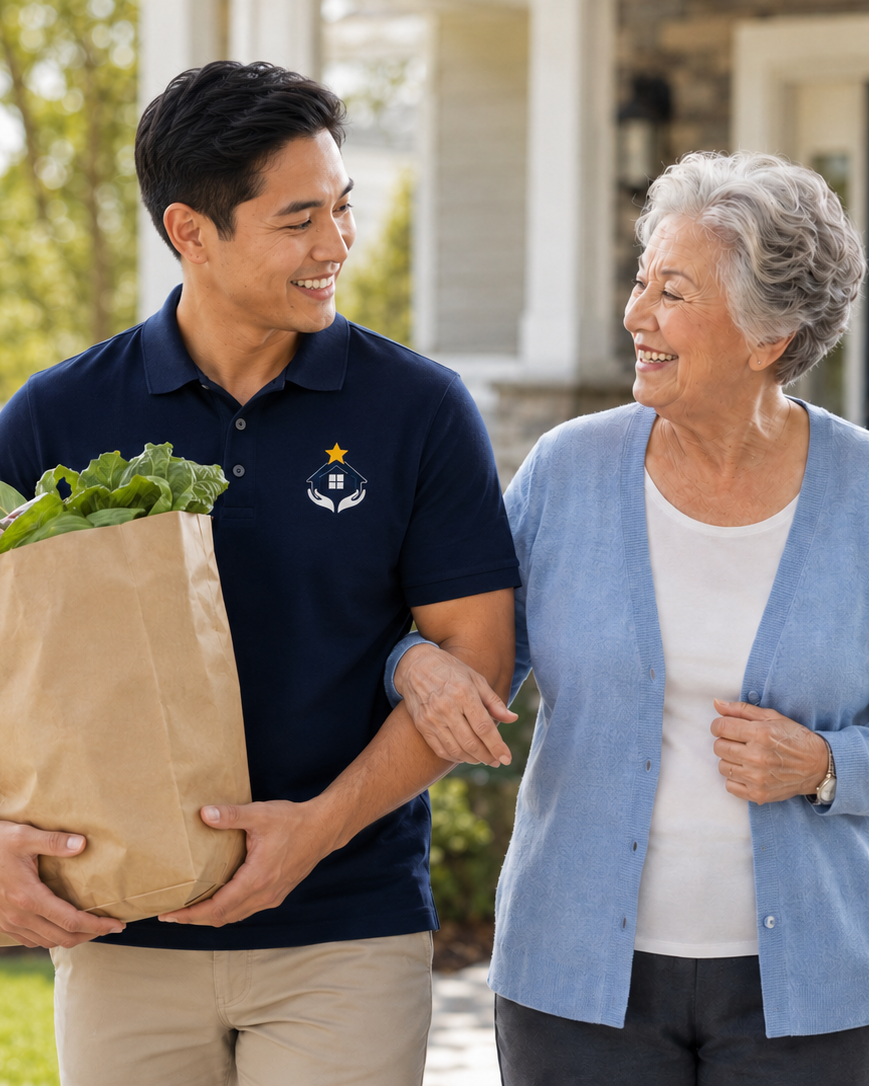
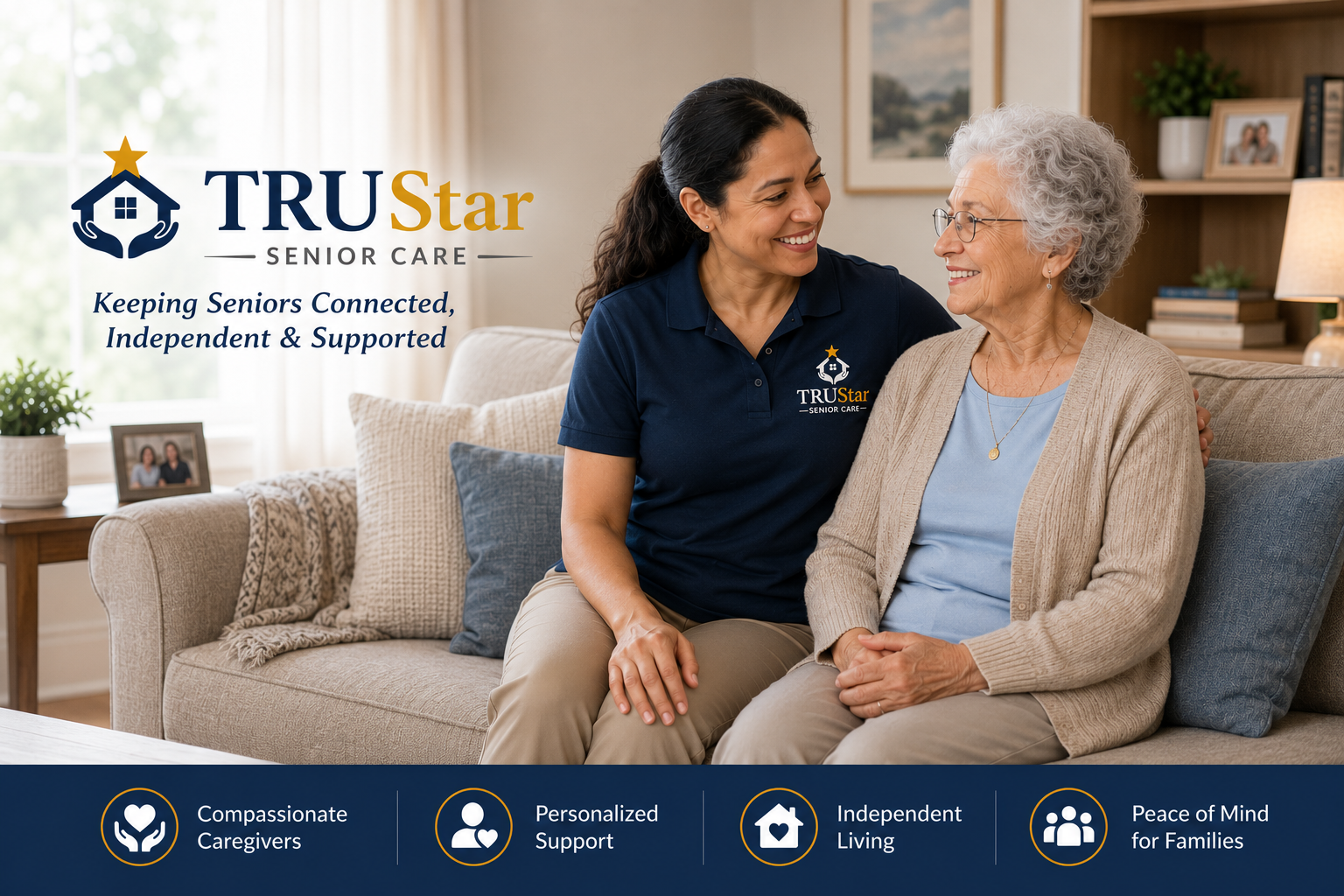
TRU Star Senior Care provides private-pay, non-medical home care services that help seniors remain safe, comfortable, and connected at home. Our caregivers can assist with companion care, homemaker services, transportation, dementia support, post-hospital support, rehabilitation discharge support, overnight care, live-in care, and 24-hour care options when appropriate.
Our role is to provide dependable support while respecting each senior's dignity, preferences, and daily routines. For families, this can bring peace of mind; for seniors, it can mean continuing to live in familiar surroundings with less stress and more confidence.
The goal is not to take away independence. The goal is to protect the life, home, and routines your loved one values.
Contact TRU Star Senior Care today to learn how our non-medical home care services can help your loved one remain safer, more comfortable, and more connected at home.