
 (888) 384-1210
A Day in the Life of a Senior Receiving Homemaker Services

A home can hold decades of memories. It may be where children were raised, holidays were celebrated, and familiar routines were built one ordinary day at a time.
For many seniors, remaining in that home is deeply important. However, the everyday responsibilities that once felt simple: preparing meals, changing linens, shopping for groceries, or keeping rooms organized, can gradually require more energy than they have to give.
This does not always mean a senior needs to leave home or give up control of daily life. Sometimes, the right amount of practical support can make home feel manageable again.
Homemaker services help older adults maintain their household, conserve their energy, and continue following familiar routines. To understand the difference this support can make, imagine what an ordinary day might look like for a senior receiving dependable homemaker care.
A MORNING THAT BEGINS WITHOUT PRESSURE
The day begins in familiar surroundings. Instead of worrying about the laundry waiting in the hallway or whether there is enough food in the refrigerator, the senior can ease into the morning at a comfortable pace.
When the caregiver arrives, the visit begins with a friendly greeting and a conversation about the day ahead. The caregiver does not take over the household or make decisions without the client. They ask what matters most that day and follow the senior's preferences.
Perhaps breakfast needs to be prepared, clean sheets are needed, or groceries must be picked up before the weekend. The caregiver and client can decide together how the visit should unfold.
That sense of choice matters. Homemaker care is not about removing independence. It is about make independence easier to maintain.
MEAL PREPARATION THAT SUPPORTS FAMILIAR ROUTINES
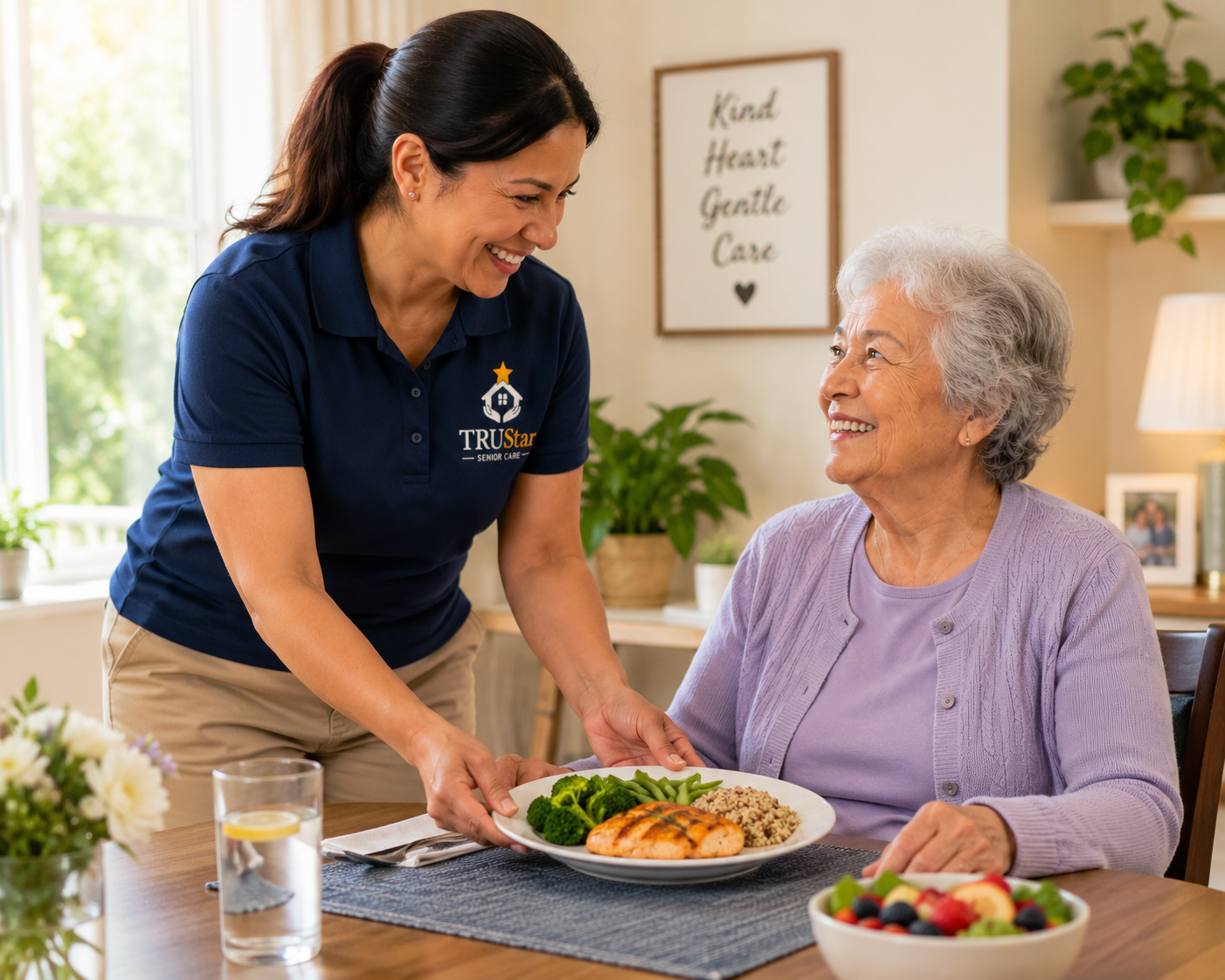
Preparing food can become tiring for a senior who experiences reduced energy, balance concerns, or difficulty standing for long periods. Even when a person still enjoys choosing meals, chopping ingredients, lifting cookware, and cleaning the kitchen may feel overwhelming.
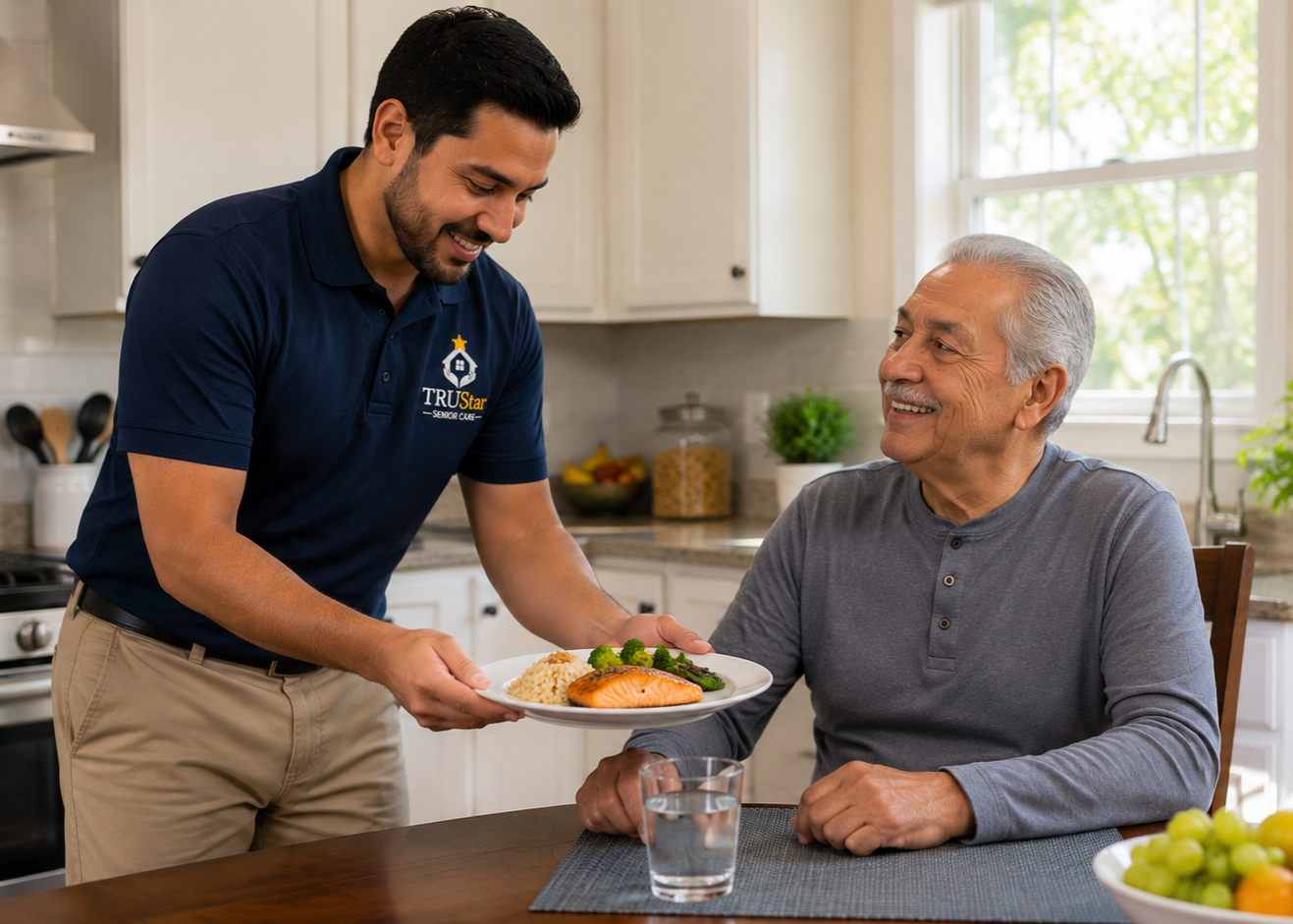
A homemaker caregiver can prepare a simple breakfast or lunch based on the client's preferences and household instructions. This may involve preparing familiar foods, reheating a family-provided meal, or organizing snacks that will be easy to access later.
Meal preparation also creates an opportunity for companionship. Instead of eating alone in a quiet home, the senior may enjoy conversation while the meal is prepared or share stories connected to a favorite recipe.
The practical support is important, but so is the human presence surrounding it.
LIGHT HOUSEKEEPING THAT MAKES THE HOME FEEL COMFORTABLE
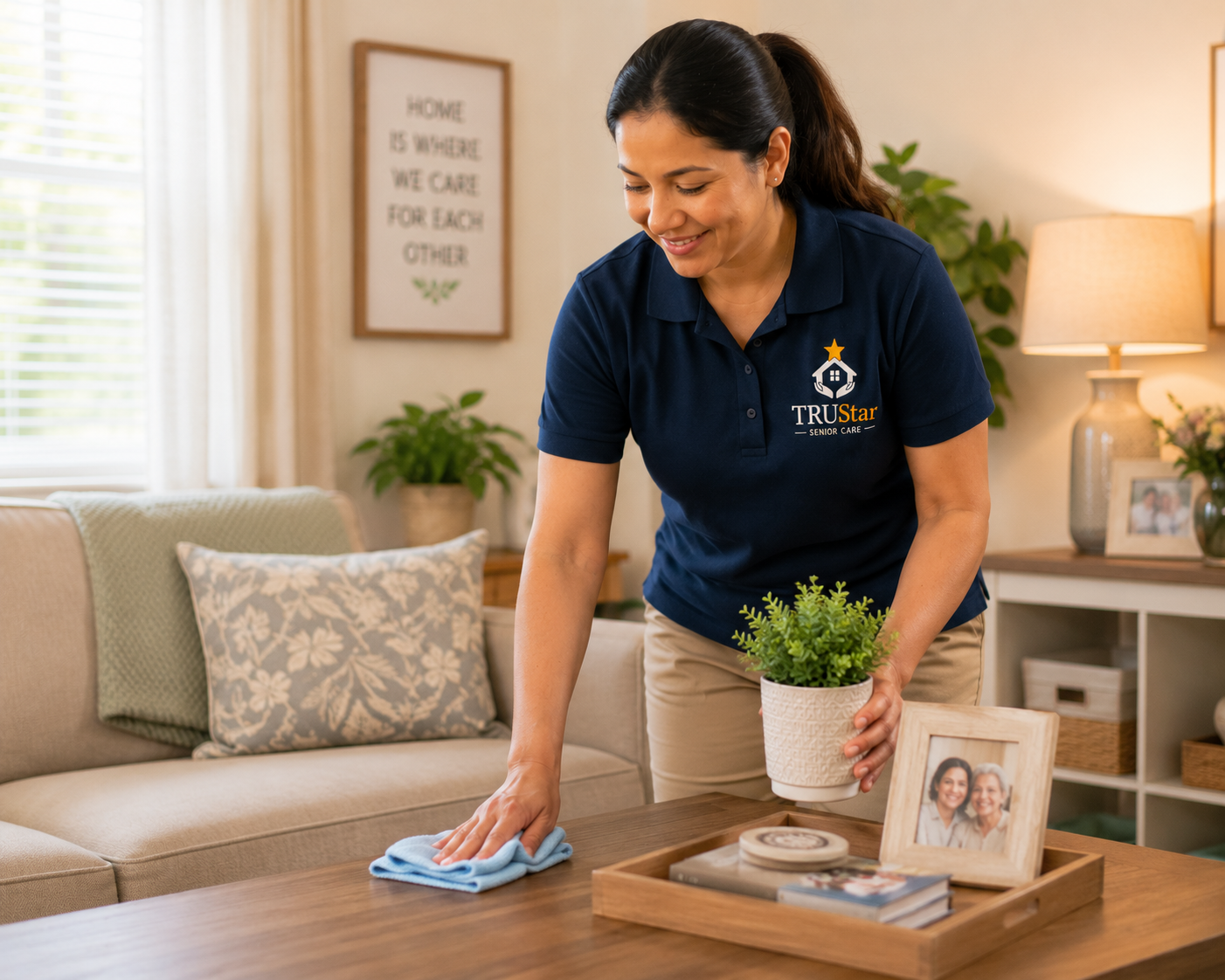
After the meal, the caregiver may wash dishes, wipe counters, sweep the kitchen, or vacuum commonly used areas. These are ordinary tasks, but when they begin accumulating, they can make a senior feel as though the home is slipping beyond their control.
Light housekeeping helps keep frequently used rooms clean, orderly, and easier to navigate. Removing clutter from common areas may also reduce avoidable household hazards, particularly for seniors who use a cane, walker, or other mobility aid.
The goal is not to transform the home into an unfamiliar space. A thoughtful caregiver respects where belongings are kept and how the client prefers the household to be maintained.
A cleaner home can provide more than visual comfort. It can restore a sense of calm and dignity.
LAUNDRY AND FRESH LINENS WITHOUT THE PHYSICAL STRAIN
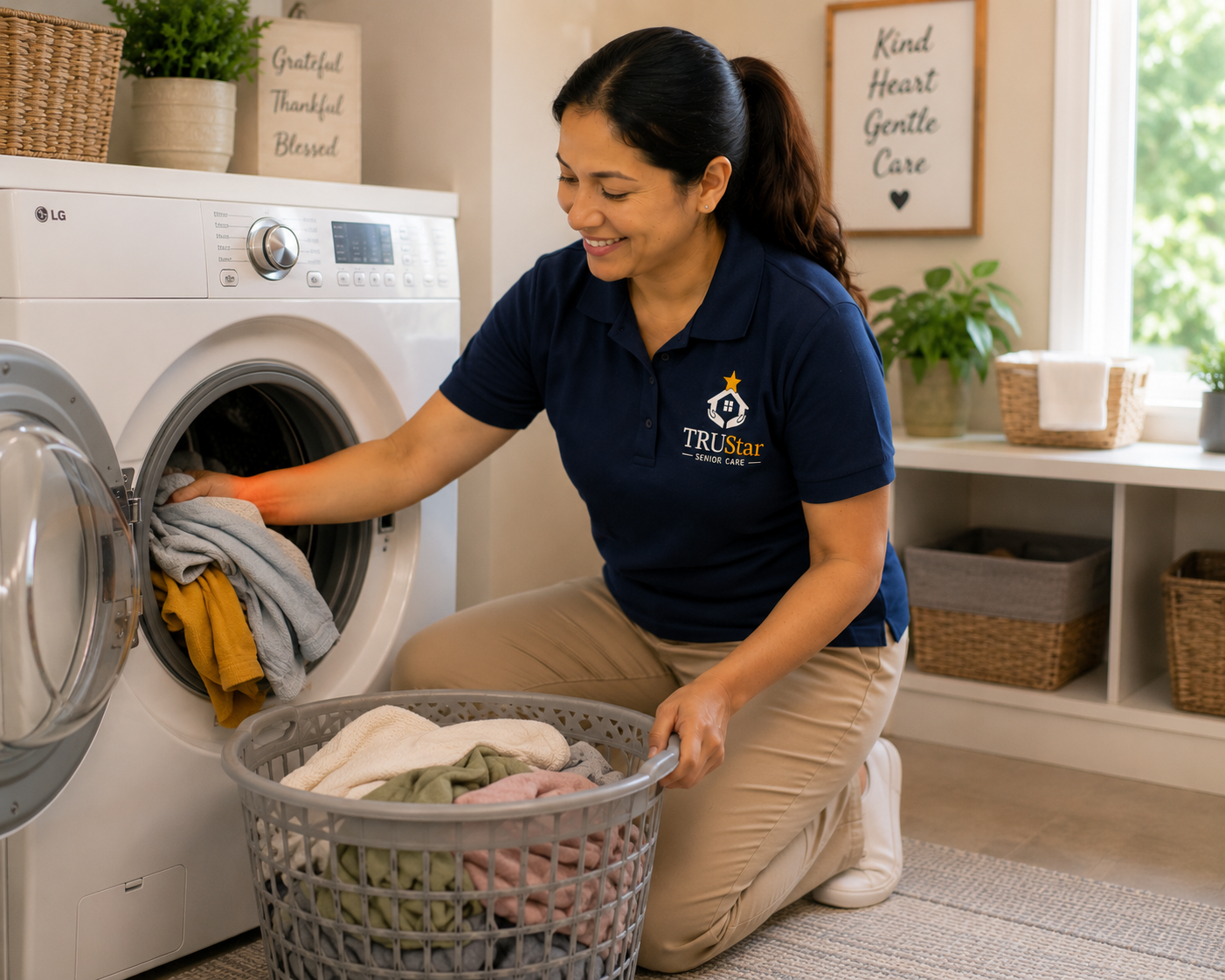
Laundry often requires bending, lifting, carrying, and repeated trips between rooms. Changing bed linens can be especially difficult for someone managing weakness, joint discomfort, or limited mobility.
A homemaker caregiver may wash, dry, fold, and put away clothing and household linens. They can also change sheets and pillowcases, leaving the senior with a fresh and comfortable sleeping space.
This support may seem small from the outside, but it can remove a significant burden. The senior no longer has to choose between exhausting themselves to complete the task or allowing it to remain unfinished.
GROCERY SHOPPING AND PRESCRIPTION PICKUP

Later in the day, the caregiver may complete an approved grocery trip using a list prepared by the client or family. This helps ensure that favorite foods, beverages, and household essentials remain available without requiring the senior to navigate crowded stores or carry heavy bags.
A homemaker caregiver may wash, dry, fold, and put away clothing and household linens. They can also change sheets and pillowcases, leaving the senior with a fresh and comfortable sleeping space.
This support may seem small from the outside, but it can remove a significant burden. The senior no longer has to choose between exhausting themselves to complete the task or allowing it to remain unfinished.
ORGANIZATION THAT MAKES DAILY LIFE EASIER
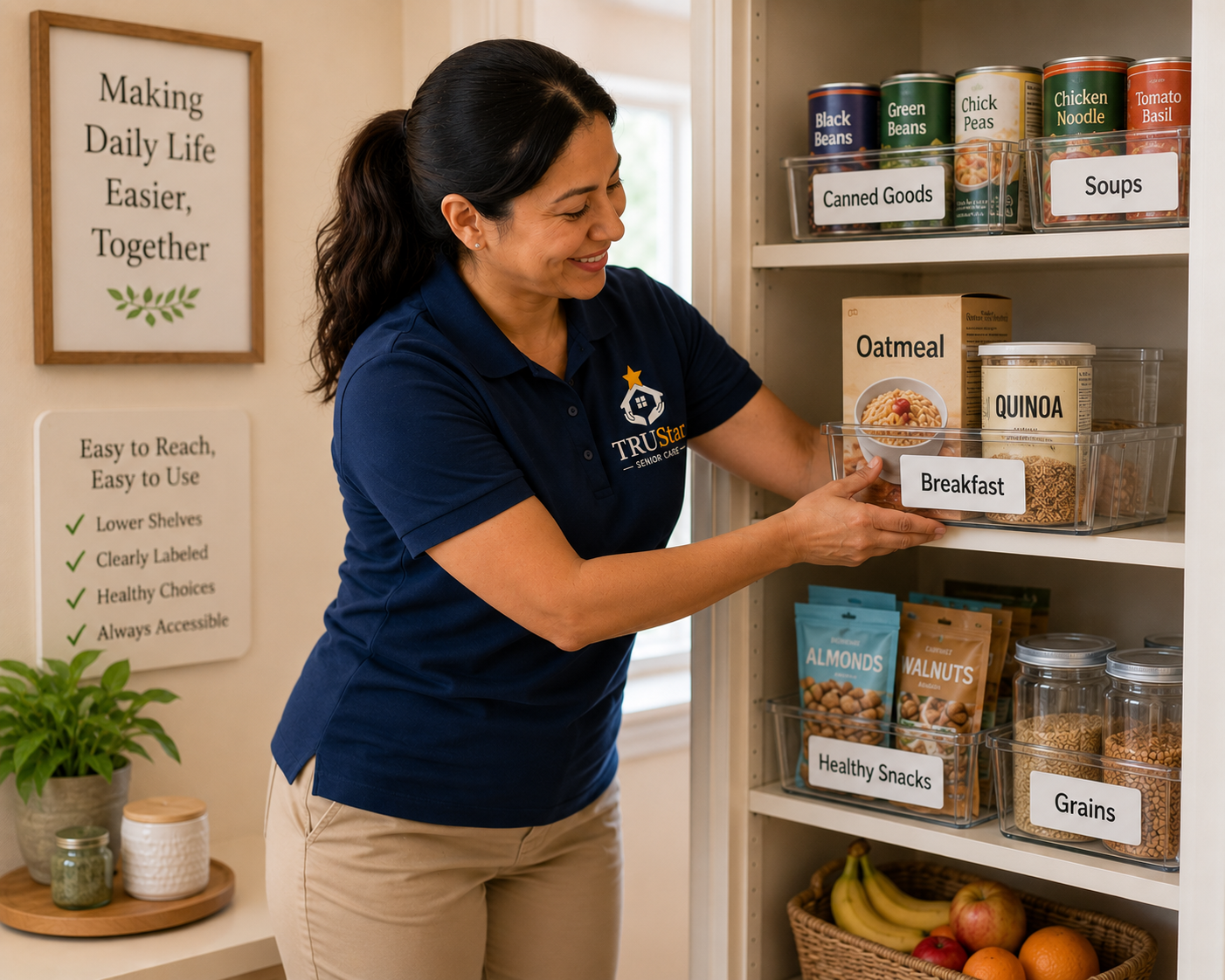
Household paperwork, unopened mail, clothing, and frequently used items can slowly become disorganized. For some seniors, this creates frustration or makes it harder to locate what they need.
A caregiver can help establish simple systems that reflect the client's habits. Mail may be placed in one designated area, groceries arranged where they are easy to reach, or commonly used belongings returned to familiar locations.
The purpose is not to discard or rearrange items without permission. It is to reduce everyday confusion and make the home function more smoothly.
ACCOMPANIMENT TO APPOINTMENTS AND ERRANDS
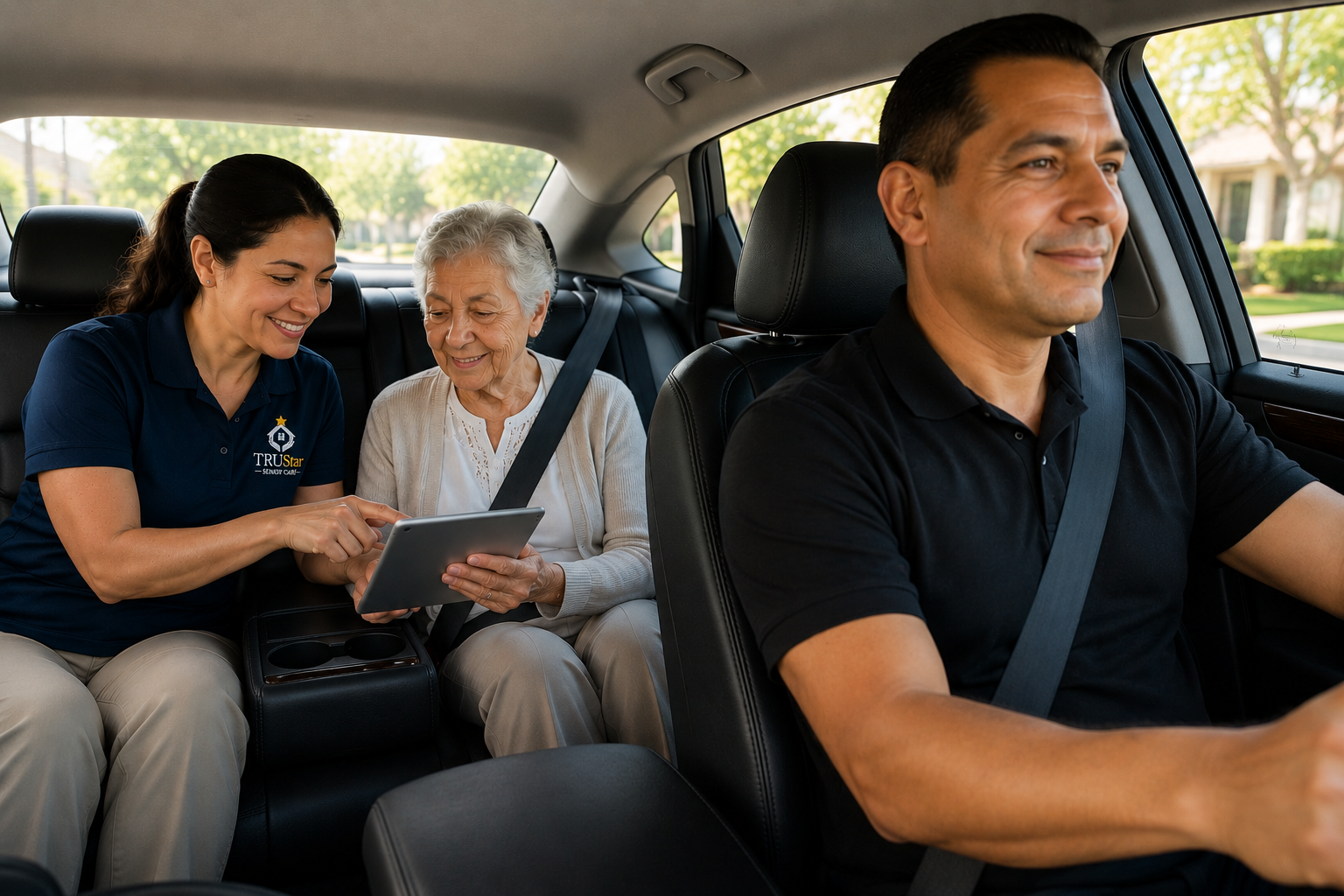
Some days may include a doctor's appointment, therapy session, grocery trip, or other outing. A senior may feel more confident attending when someone familiar is present to provide companionship and general non-medical support.
Families may choose transportation with a private driver or request caregiver-assisted transportation when additional help is needed before, during, or after the trip. These are different service options and may have different rates depending on the level of assistance requested.
Having support during an outing can help a senior remain connected to the community rather than gradually limiting activities because transportation or navigating appointments has become stressful.
SAFETY AND WELLNESS OBSERVATIONS
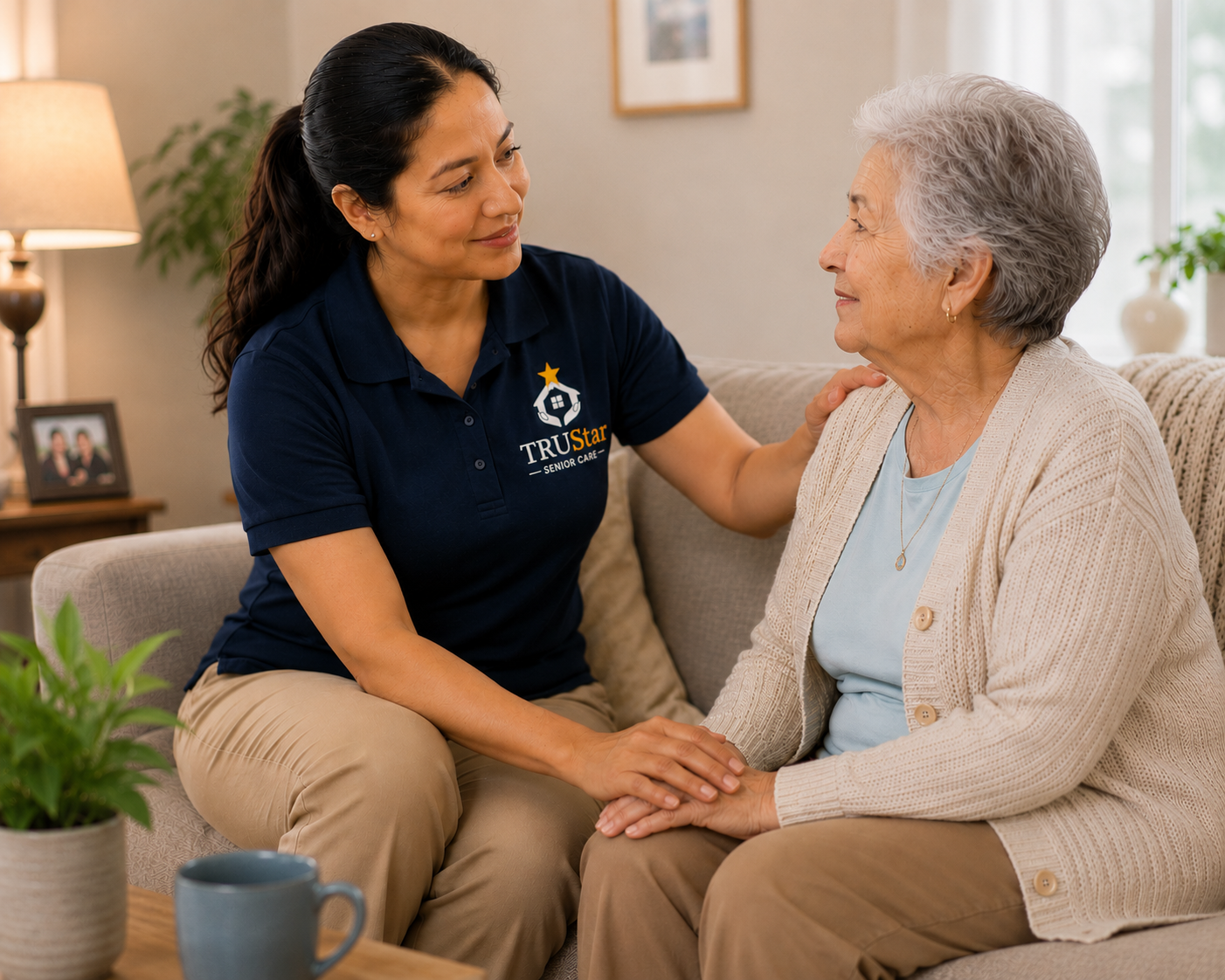
Throughout the visit, a homemaker caregiver may notice whether food is available, walkways are clear, and the client appears comfortable within their normal routine. If something seems noticeably different, the caregiver can communicate the concern according to the established care plan.
These are non-medical wellness observations, not clinical assessments. Caregivers do not diagnose conditions or replace the role of a doctor, nurse, or other licensed healthcare professional.
Still, regular visits can help families remain aware of changes that might otherwise go unnoticed between phone calls or occasional visits.
THE VALUE OF CONVERSATION AND SOCIAL ENGAGEMENT
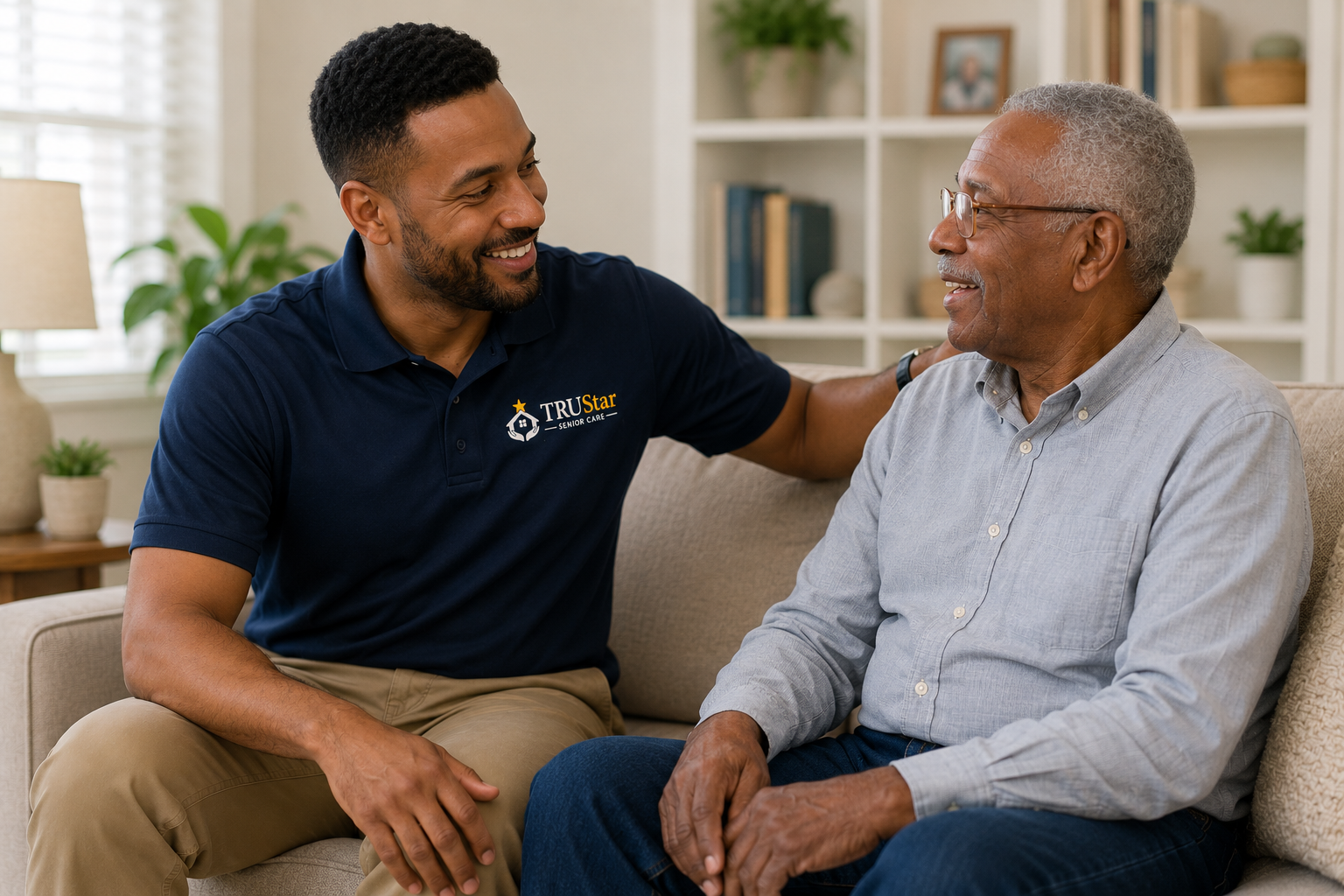
Homemaker services are not limited to completing a checklist of chores. The caregiver's presence can also provide meaningful conversation and emotional connection.
The senior may talk about family memories, current events, favorite television programs, or plans for the week. They might play a game, work on a hobby, take a short walk, or simply enjoy having someone nearby while daily tasks are completed.
For a person who spends long hours alone, regular companionship can change the emotional tone of the entire day. The home may feel less quiet, routines may feel more purposeful, and the senior may feel more connected to the people around them.
WHO CAN BENEFIT FROM HOMEMAKER SERVICES?
Homemaker support can be valuable for seniors who are largely independent but find household responsibilities physically tiring or difficult to organize. It may also help people recovering after a hospital or rehabilitation stay, older adults who live alone, and families who cannot be present for every meal, errand, or appointment.
A senior does not need to be in crisis before receiving help. In many situations, beginning with practical household support can prevent exhaustion, poor nutrition, clutter, and isolation from becoming more serious concerns.
The schedule can be shaped around the senior's actual needs. Some clients may need assistance with selected tasks a few times each week, while others may benefit from more consistent support.
HOW TRU STAR SENIOR CARE CAN HELP
Homemaker support can be valuable for seniors who are largely independent but find household responsibilities physically tiring or difficult to organize. It may also help people recovering after a hospital or rehabilitation stay, older adults who live alone, and families who cannot be present for every meal, errand, or appointment.
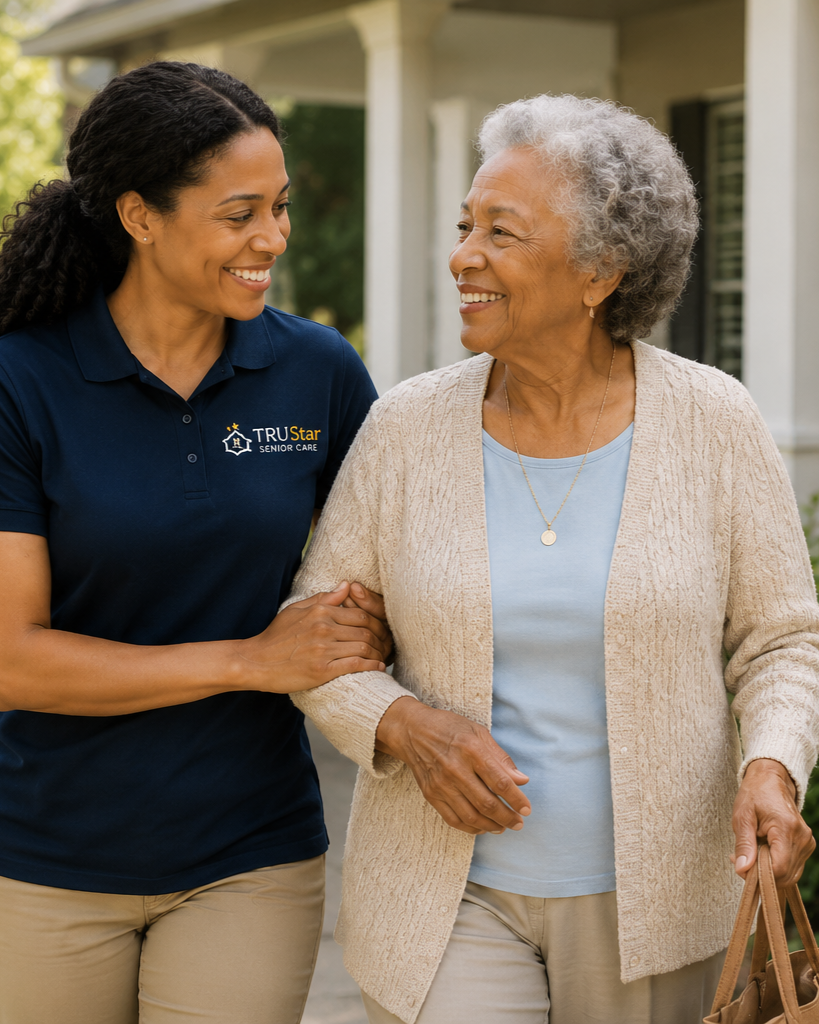
A senior does not need to be in crisis before receiving help. In many situations, beginning with practical household support can prevent exhaustion, poor nutrition, clutter, and isolation from becoming more serious concerns.
The schedule can be shaped around the senior's actual needs. Some clients may need assistance with selected tasks a few times each week, while others may benefit from more consistent support.
READY TO MAKE DAILY LIFE MORE MANAGEABLE?
A senior may not need someone to take over their life. They may simply need reliable help with the tasks that have become harder to manage alone.
Contact TRU Star Senior Care to learn how homemaker services can help your loved one maintain a more comfortable, organized, and connected life at home.