
 (888) 384-1210
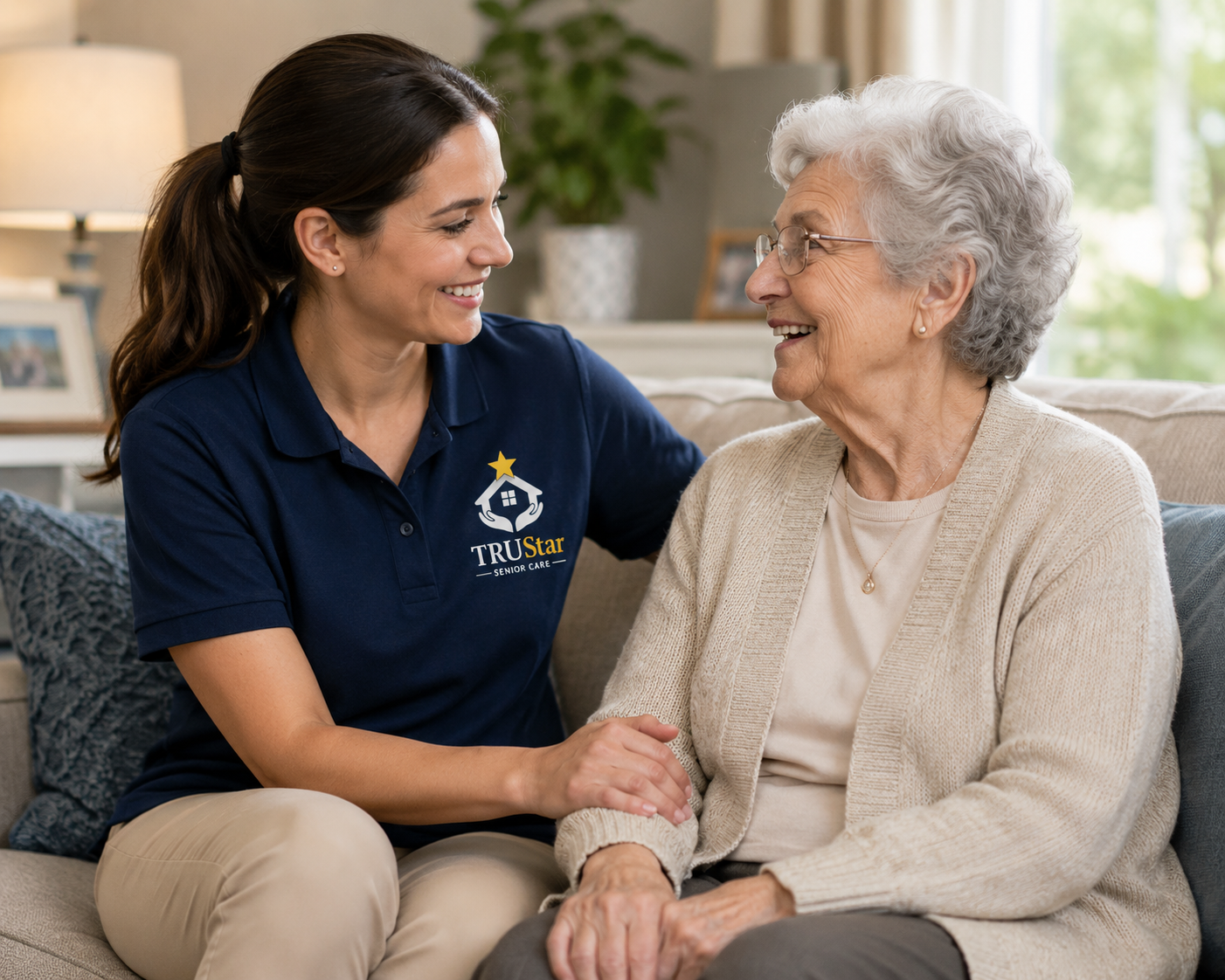
Why Long Island Families Are Choosing Home Care Over Nursing Homes
For many families, the question of care begins quietly. An aging parent starts needing help with errands. A spouse becomes nervous about leaving their loved one alone. A daughter notices that the house is not being kept up the way it used to be. A son realizes that his parent is skipping meals or avoiding appointments because driving has become difficult.
At first, families may try to manage everything themselves. They stop by more often, bring groceries, arrange appointments, call throughout the day, or coordinate help from relatives. But eventually, many families reach a point where they have to ask a difficult question: Is it still safe for our loved one to live at home?
For years, some families assumed that the next step after independent living was a nursing home. But today, more Long Island families are looking closely at home care as another options. For many seniors, especially those who do not need fully-time medical care in facility, support at home can offer a more comfortable and personal way to age.
Here are some of the reasons more families on Long Island are choosing home care over nursing home placement.
1. SENIORS OFTEN FEEL MORE COMFORTABLE AT HOME
Home is more than a building. It is where a person's routines, memories, belongings, and sense of independence live.
For many older adults, remaining at home means waking up in their own bedroom, sitting in their favorite chair, using their own kitchen, greeting familiar neighbors, and staying connected to the life they have built over many years. These details may seem small to others, but they can be deeply meaningful to a senior.
Moving to a nursing home can be a major emotional transition. Even when a facility provides good care, the senior may still feel a loss of privacy, control, and familiarity. They may miss the quiet of their home, their personal schedule, or the comfort of being surrounded by their own belongings.
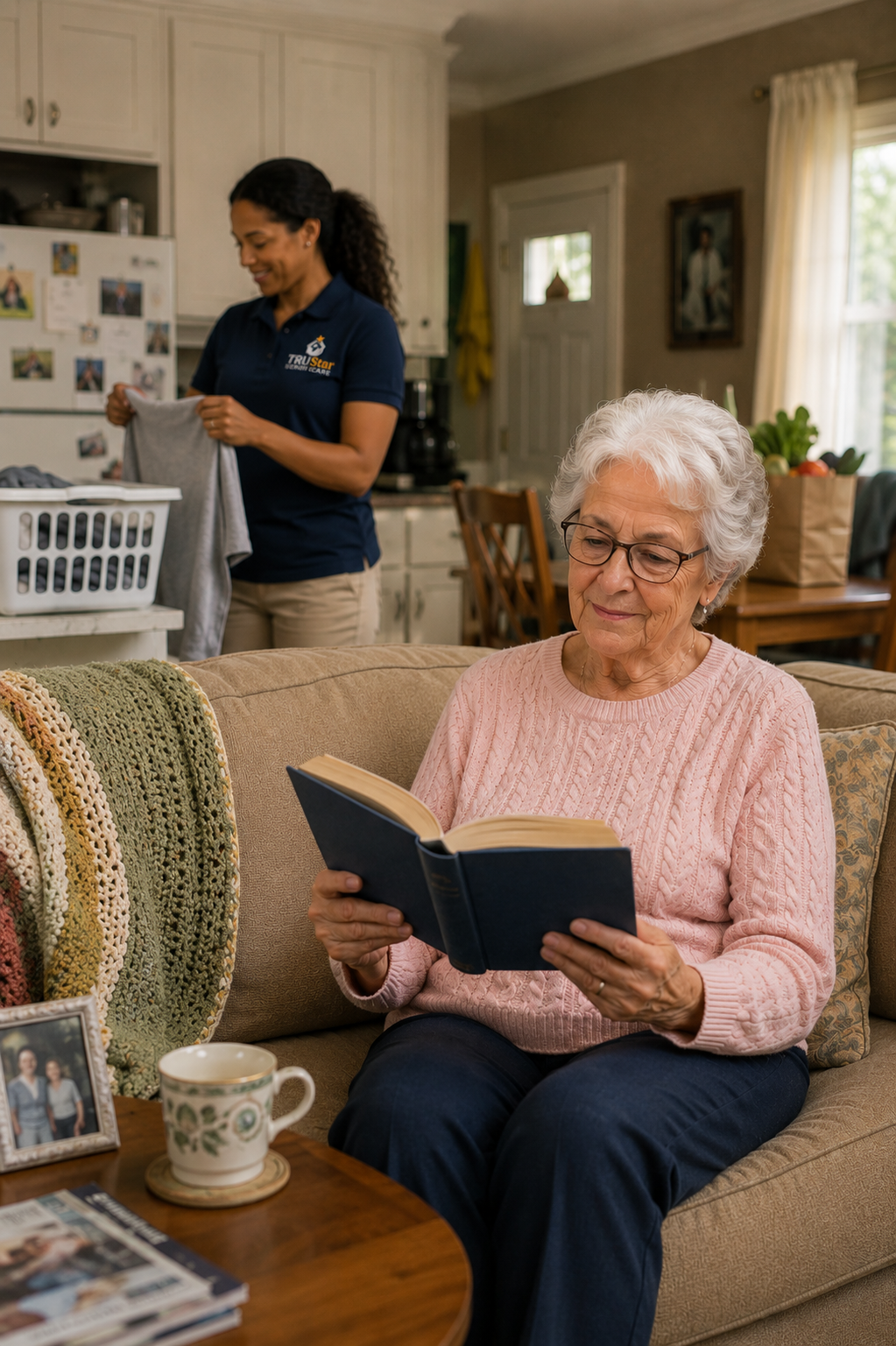
Home care allows many seniors to receive support without leaving their familiar environment. A caregiver can assist with daily routines while still allowing the senior to remain in control of many personal choices. For families who want their loved one to feel safe without feeling uprooted, this can make a meaningful difference.
2. Home Care Can Be More Personalized
In nursing home, staff members must care for many residents. While facilities may work hard to provide quality care, the schedule is often shaped by the needs of the group.
Home care is different because it happens around one person's routine. The caregiver can focus on the individual senior's preferences, habits, pace, and personality.
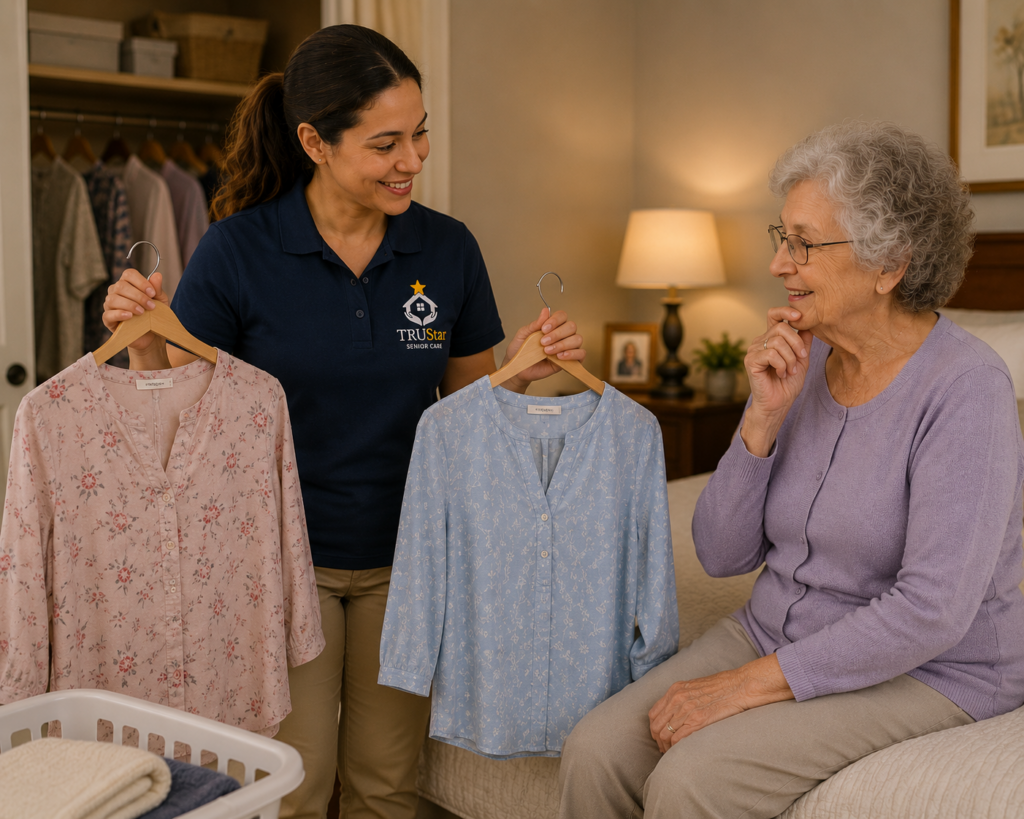
For example, one senior may like breakfast early and enjoy quiet mornings. Another may prefer conversation, music, and a slower start of the day. One person may need help preparing meals and organizing laundry, while another may need transportation to appointments and companionship during errands.
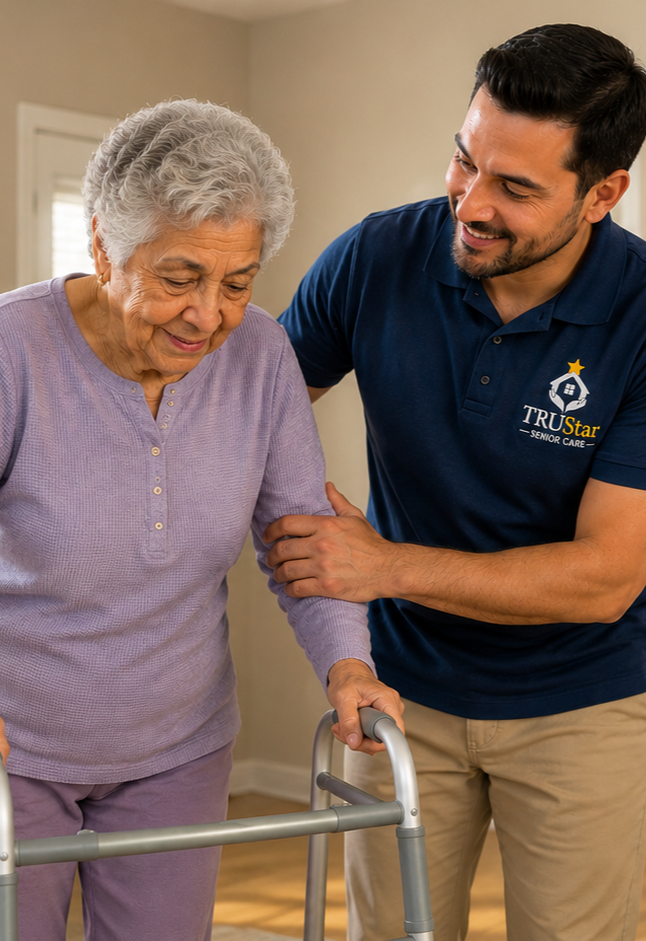
At home, care can be adjusted to the person. The caregiver can learn how the senior likes things done, what makes them comfortable, and what kind of support feels respectful.
This is especially important for seniors who are hesitant to accept help. When care feels personal instead of institutional, the transition can feel less threatening. The senior may be more willing to accept support when it is introduced in a familiar, one-on-one way.
3. Home Care Can Support Family Caregivers
Many adult children and spouses provide care out of love. They check in daily, manage errands, attend appointments, cook meals, handle paperwork, and worry constantly. Ove time, this can become physically and emotionally exhausting.
Family caregivers may feel guilty asking for help. They may think they should be able to manage everything themselves. But caregiving can become too much for one person, especially when the senior's need increase.
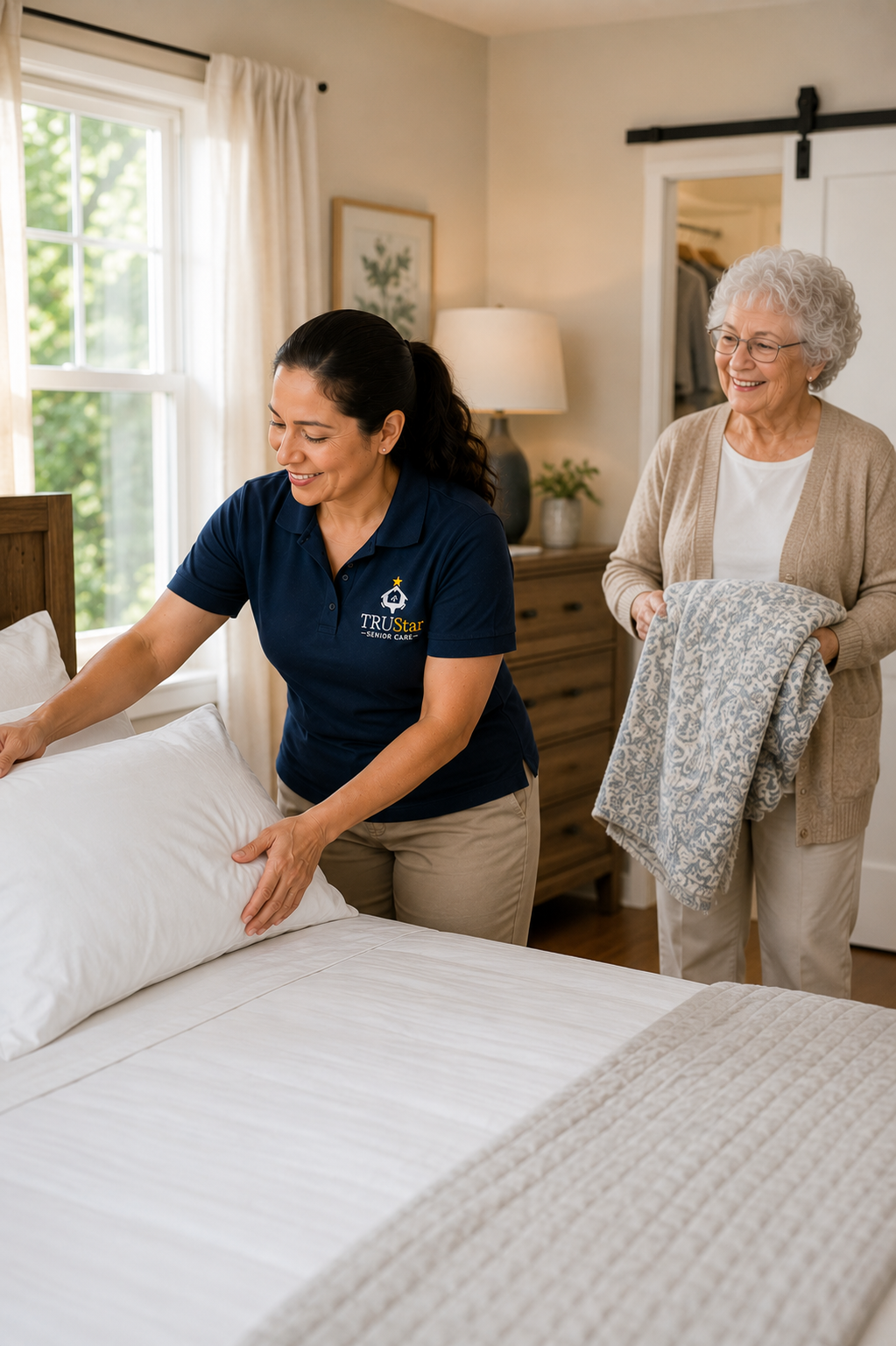
Home care can provide relief without replacing the family's role. A caregiver can take on practical tasks so family members can return to being daughters, sons, spouses, and grandchildren instead of always being in crisis-management mode.
Having a trusted caregiver involved can help reduce stress and give families peace of mind that their loved one is not alone.
4. HOME CARE CAN HELP REDUCE ISOLATION
Loneliness is a serious concern for many older adults. A senior may live in a familiar neighborhood but still feel disconnected if they no longer drive, have lost friends, or struggle to leave the house safely.
Nursing homes offer social activity for some residents, but not every senior wants or needs a facility setting to feel connected. For many older adults, companionship at home can make a major difference.
For families who worry that their loved one is isolated but not ready for a facility, home care can be a compassionate middle ground.
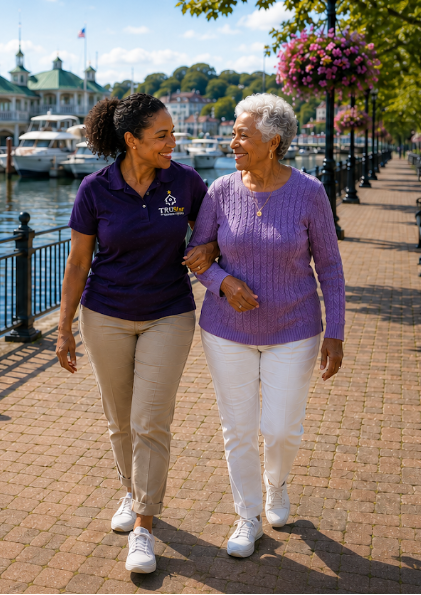
A caregiver can provide conversation, encourage safe routines, accompany the senior on errands or outings, help with hobbies, or simply be a steady presence during the day. These moments can help seniors feel seen and valued.
Companion care is not just "being there." It can support emotional well-being, structure, and confidence. A senior who has someone to talk to, eat with, or walk with may feel less alone and more engaged in daily life.
5. FAMILIES WANT CARE THAT FEELS HUMAN
At the heart of this decision is something deeply personal. Families want their loved one to be safe, but they also want them to feel known.
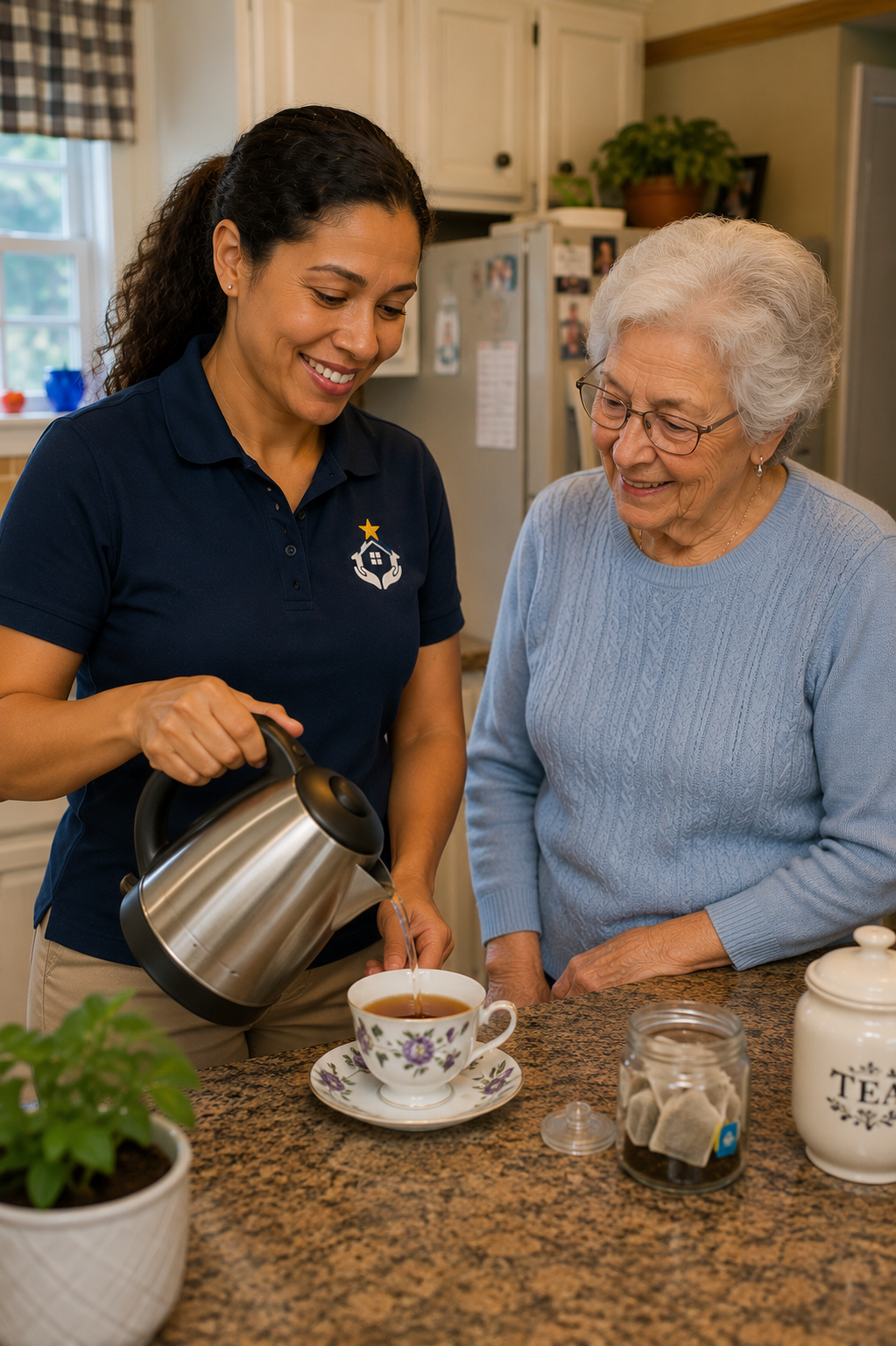
They want someone to notice how their mother takes her tea. They want someone to understand that their father prefers quiet morning. They want someone who will be patient when a parent repeats a story or becomes nervous about accepting help. They want care that protects dignity, not just schedules.
Home care allows support to happen in a personal setting, where routines and preferences matter. It gives families the opportunity to build care around the person's life instead of asking the person to adjust completely to a new environment.
CHOOSING HOME CARE ON LONG ISLAND
If you are considering home care for an aging parent in Great Neck, Huntington, Nassau County, Suffolk County, or surrounding Long Island communities, it may help to start with a conversation rather than a major decision.
Ask what your loved one is struggling with most. Is it transportation? Meals? Laundry? Companionship? Safety at home? Overnight concerns? Recovery after a hospital stay? Family caregiver burnout?
Once you understand the main concern, it becomes easier to choose the right kind of support.
At TRU Star Senior Care, we work with families who want their loved ones to remain at home with comfort, respect, and dependable assistance. Our services may include companion care, live-in care, senior transportation, homemaker support, and help with daily routines depending on the care plan.
We understand that this decision can feel emotional. Our goal is to make the process feel less overwhelming and more supportive. Home care is not about taking away independence. Done well, it can help protect it.
If your loved one is beginning to need more help at home, contact TRU Star Senior Care to talk through your options.