
 (888) 384-1210

Preventing Falls, Emergencies, and Loneliness: How Live-In Care Keeps Seniors Safe

There’s a quiet kind of worry that many families carry.
It shows up after a phone call goes unanswered.
When you remember your parent lives alone.
When you think about the stairs… the bathroom… the long hours in between visits.
You may not say it out loud, but it’s always there:
“What if something happens and no one is there?”
For many families on Long Island, this is the moment when safety becomes more than just a concern, it becomes something that needs a real solution.
Live-in care is not just about having help in the home.
It’s about making sure your loved one is not facing each day and every risk alone.
THE REALITY OF FALLS AT HOME
Falls are one of the most common reasons seniors are hospitalized and often, they happen in the most familiar places.
Not outside.
Not in unfamiliar settings.
But right at home.
Sometimes it’s a missed step.
Sometimes it’s weakness after an illness.
Sometimes it’s simply trying to do too much, alone.
What makes falls especially difficult is not just the injury; it’s what comes after.
Loss of confidence. Fear of moving. A sudden decline in independence.
Common risk factors include:
- Poor balance or unsteady walking
- Muscle weakness or fatigue
- Cluttered walkways or loose rugs
- Medication side effects
- Lack of someone nearby to assist
And often, families don’t realize how high the risk is until something has already happened.
WHEN EMERGENCIES HAPPEN AND NO ONE IS THERE
Emergencies don’t wait for convenience.
They don’t happen only during visits or when family is nearby.
A fall.
Sudden dizziness.
Confusion in the middle of the night.
When a senior is alone, even a small incident can become serious simply because help is delayed.
Minutes matter.
And for many families, this is the hardest part: not knowing how long their loved one might be waiting for help.
LONELINESS IS ALSO A SAFETY CONCERN
Safety isn’t just about preventing physical harm.
It’s also about emotional well-being.
Many seniors spend long hours, sometimes entire days, without meaningful interaction. Over time, this kind of isolation can quietly affect their health.
Loneliness has been linked to:
- Depression and anxiety
- Cognitive decline
- Poor appetite and nutrition
- Reduced motivation to move or stay active
But beyond the research, families see it in small ways:
- Less interest in hobbies
- Shorter conversations
- A home that feels quieter than it used to
Sometimes, what a senior needs most is not just help—but presence.
HOW LIVE-IN CARE HELPS KEEP SENIORS SAFE
Live-in care creates a different kind of environment, one where your loved one is no longer navigating the day alone.
A caregiver is there to provide consistent support during active care hours, helping reduce risks before they turn into emergencies.

This kind of care is not just reactive.
It is proactive.
A live-in caregiver can help with:
Safer Mobility
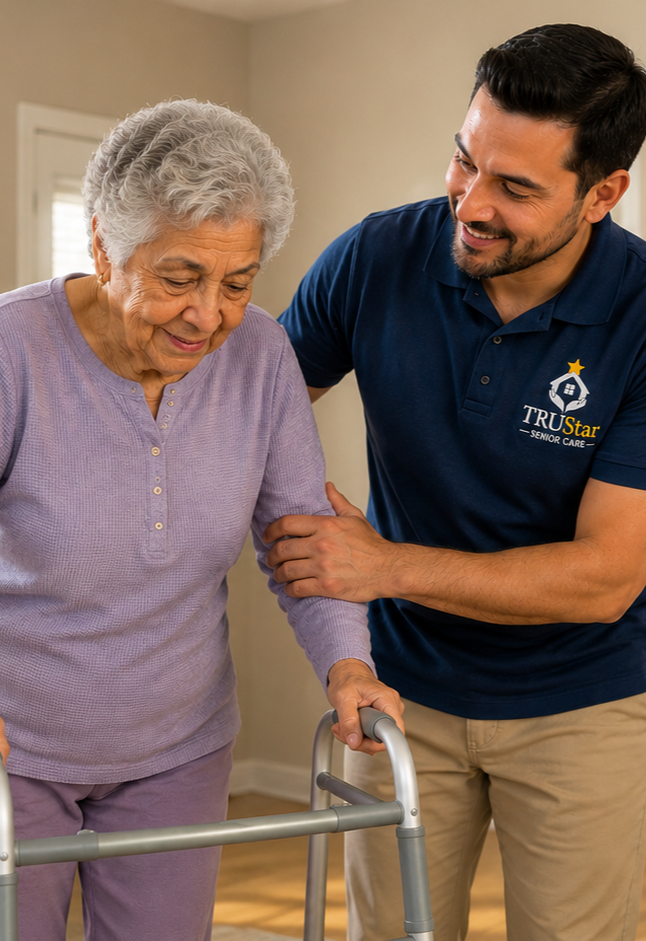
Assisting with walking, transfers, and movement around the home to reduce fall risk.
Daily Routines
Providing structure to the day, from meals to medications to rest, helping seniors stay on track.
Meal Preparation
Ensuring regular, nourishing meals that support strength and energy.
Home Awareness
Noticing small hazards like clutter or unsafe setups before they become dangerous.
Companionship
Offering conversation, presence, and emotional support that helps reduce isolation.
Often, it’s the small, consistent support that makes the biggest difference.
SAFETY, COMFORT, & CONNECTION: ALL IN ONE PLACE
Live-in care is not just about preventing falls or responding to emergencies.
It’s about creating a home environment where your loved one feels:
- Safer
- More supported
- Less alone
It allows them to remain in the place they know best, while still receiving the help they need.
Because at the heart of it, this isn’t just about care.
It’s about making sure your parent can continue living their life with dignity, comfort, and someone by their side.

If you’ve been carrying that quiet worry:
“What happens when no one is there?”
You’re not alone.
Many families reach this point. And asking the question is often the first step toward finding the right kind of support.
Live-in care may not be the answer for every situation.
But for many Long Island families, it becomes the reason their loved one can stay safely at home without feeling alone.
Looking for safer, more consistent support at home?
TRU Star Senior Care helps Long Island families explore live-in care with honesty, compassion, and respect.
If your loved one needs more daily support but wants to remain at home, we’re here to guide you every step of the way.